
The world is witnessing extreme climatic events with alarming frequency, signaling that climate change has become a severe challenge. To mitigate its impacts, the international community is accelerating the energy transition towards low-carbon economic models.
As the world shifts toward sustainable energy solutions, the renewable energy investment landscape is experiencing unprecedented growth. You are part of this significant shift, and understanding the current state of renewable energy markets is crucial for making informed decisions.
The investment landscape is shaped by economic factors, policy frameworks, and technological innovations. As you explore the opportunities in this rapidly evolving market, you'll gain insights into the sectors offering promising opportunities and strategies for different investor profiles.
Key Takeaways
- The renewable energy sector is experiencing significant growth due to the global shift towards sustainable energy solutions.
- Economic factors, policy frameworks, and technological innovations are driving investment decisions in the renewable energy market.
- Understanding the current state of renewable energy markets is crucial for making informed investment decisions.
- The article will explore the various sectors offering promising opportunities in the renewable energy sector.
- Different investor profiles require tailored strategies to navigate the renewable energy investment landscape.
The Global Shift Toward Clean Energy

With technological progress, renewable energy is becoming a mainstream energy source. Advances in technology and financial investment have significantly increased the competitiveness of renewable energy, making it a viable alternative to traditional fossil fuels. As you explore the landscape of renewable energy investments, it's essential to understand the driving factors behind this global shift.
Climate Change as a Catalyst
Climate change has emerged as a significant catalyst for the transition to clean energy. As concern over environmental impact grows, renewable energy sources are being increasingly adopted to reduce carbon emissions and mitigate the effects of climate change. The renewable energy industry has seen substantial growth as a result, with solar and wind power leading the charge.
Economic Benefits Beyond Environmental Impact
Beyond the environmental benefits, the renewable energy transition offers substantial economic advantages. You'll find that renewable energy projects are increasingly outcompeting fossil fuel alternatives on cost alone. The cost competitiveness of solar and wind energy has made them the cheapest forms of new electricity generation in most markets. Moreover, the renewable energy industry has become a significant economic driver, creating millions of jobs globally and attracting hundreds of billions in annual investment. The transition to renewable energy also enhances energy independence and security, reducing geopolitical vulnerabilities and improving trade balances for countries that reduce their reliance on fossil fuel imports.
As the world continues to shift towards clean energy, the economic benefits are becoming increasingly apparent. Local communities benefit from distributed energy resources, keeping energy dollars in local economies rather than flowing to distant fossil fuel producers. This shift is not only good for the environment; it's also creating new opportunities for economic growth and development.
Current State of Renewable Energy Markets
As you explore the renewable energy landscape, it's crucial to understand the current market dynamics. The collaboration between regions like Taiwan and Europe is fostering growth in renewable energy development. Europe, with its advanced technology and comprehensive industrial chain, offers valuable insights for other regions transitioning to cleaner energy sources.
Market Size and Growth Projections
The renewable energy market is experiencing significant growth, driven by increasing demand for clean energy solutions and substantial investments in the sector. You can expect continued expansion as governments worldwide implement policies to support the transition to sustainable energy. The global push for net-zero emissions by 2050 is a key driver of this growth, with many countries accelerating their energy transformation initiatives.
Market size is projected to grow substantially, with renewable energy capacity expected to increase significantly over the next decade. This growth is driven by declining technology costs, improving efficiency, and increasing demand for clean energy.
Regional Distribution of Investments
Regional investment patterns in renewable energy reveal significant variations. You might notice that China, Europe, and the United States are leading in total investment volume, while emerging markets are showing the fastest growth rates. Factors such as policy frameworks, resource availability, and existing energy infrastructure heavily influence these regional investment patterns.
- Europe continues to lead in offshore wind development.
- The United States is seeing unprecedented growth in utility-scale solar and battery storage deployments.
- Asia-Pacific markets, particularly China and India, are driving global growth in manufacturing capacity for renewable technologies.
Understanding these regional investment trends can help you identify markets with favorable risk-return profiles and potential first-mover advantages in emerging renewable energy sectors. As the energy landscape continues to evolve, staying informed about these trends is crucial for making informed investment decisions.
Economics of Renewable Energy

As the world pivots towards cleaner energy sources, the economic landscape of renewable energy is becoming increasingly favorable. You are witnessing a significant shift in how energy is produced and consumed, driven by the declining costs of renewable technologies.
Declining Production Costs
The production costs of renewable energy have been decreasing steadily, making it more competitive with fossil fuels. Unsubsidized renewable projects now often outcompete new coal and natural gas plants on a levelized cost of electricity basis. This trend is expected to continue, driven by advancements in technology and economies of scale.
According to recent data, despite improving economics, clean energy still has a long way to go before it reaches the scale needed to support global demand. However, the passage of the Inflation Reduction Act in August 2022 represents a significant step forward, providing financial support for a variety of clean energy technologies.
Competitive Positioning Against Traditional Energy Sources
Renewable energy has achieved grid parity with fossil fuels in most major markets, fundamentally altering the competitive landscape of the energy sector. You will find that the competitive advantage of renewables extends beyond cost to include faster deployment times, modularity, and reduced regulatory and financial risks compared to large fossil fuel projects.
- Renewable energy projects offer a hedge against fossil fuel price volatility, enhancing energy security.
- The modularity of renewable energy technologies allows for more flexible deployment options.
- Understanding the competitive positioning of renewables against traditional energy sources is crucial for identifying markets where the transition is likely to accelerate most rapidly.
As you navigate the evolving energy landscape, it's clear that renewable energy is becoming an increasingly attractive option, both economically and environmentally.
Major Renewable Energy Sectors
As you explore the renewable energy landscape, you'll find that several key sectors are driving growth and investment. The major renewable energy sectors include solar energy, wind power, and energy storage solutions, each playing a critical role in the transition to a more sustainable energy mix.
Solar Energy: Rooftop and Utility-Scale Developments
Solar energy continues to be a leading sector within renewables, with both rooftop and utility-scale developments offering significant investment opportunities. You're seeing a surge in solar projects due to declining technology costs and improving efficiency.

Wind Power: Onshore and Offshore Expansion
Wind power remains another vital component of the renewable energy mix, with both onshore and offshore wind farms being developed. You're witnessing substantial growth in this sector due to advancements in turbine technology and favorable policies.

Energy Storage Solutions
Energy storage has emerged as a critical enabling technology for renewable energy integration, creating new investment opportunities. You're seeing lithium-ion batteries dominate current deployments, with costs falling 89% over the past decade. The coupling of storage with solar and wind projects is becoming standard practice, enhancing project economics.
The growth in energy storage is reflected in the statistics: battery storage accounted for the second-largest share of total generating capacity additions, rising by 64% to 7.4 GW. Excess wind and solar generation is a significant use case for batteries, and residential solar attachment rates are expected to rise from 14% in 2023 to a record 25% in 2024. Understanding the rapidly evolving storage technology landscape is crucial for identifying emerging opportunities in this high-growth segment.
Renewable Energy Investments: Opportunities and Challenges
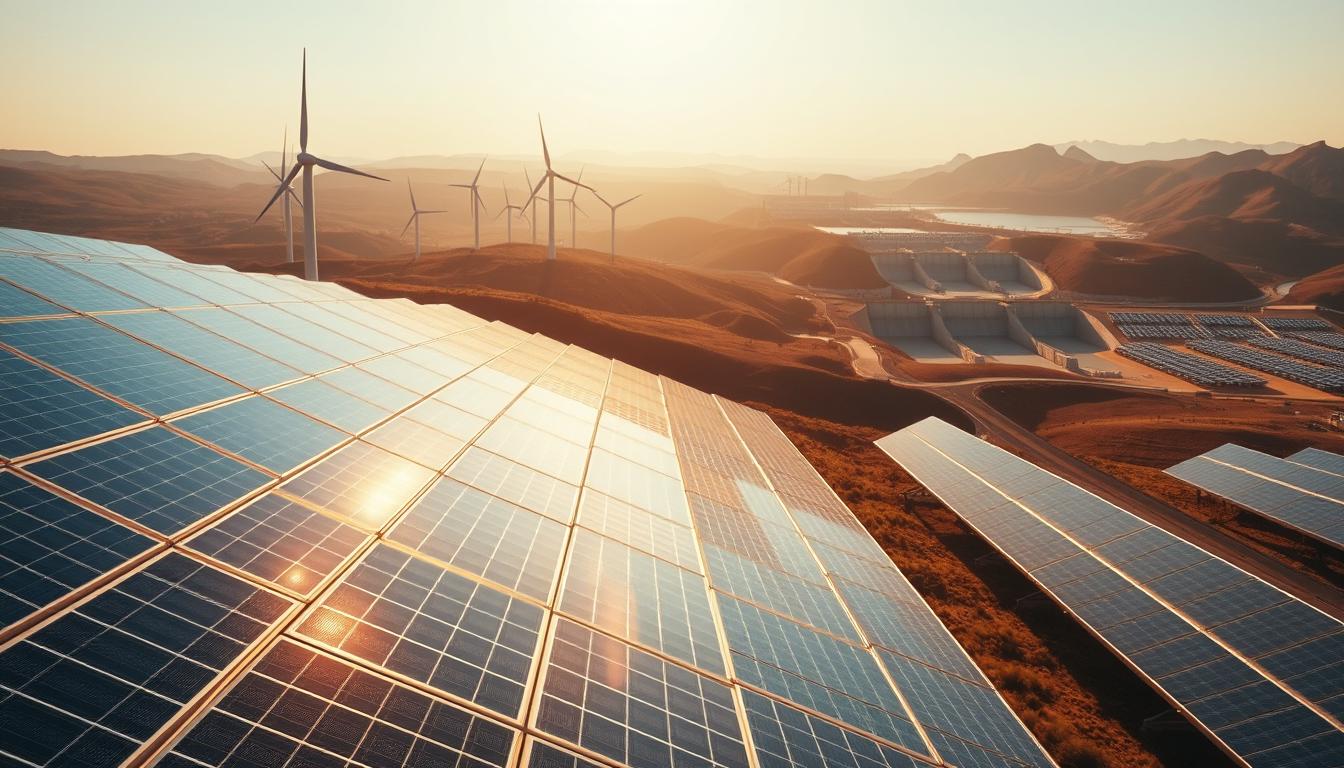
As you explore the renewable energy sector, you'll discover a landscape filled with both promising opportunities and complex challenges. The growth potential in this area is significant, driven by technological advancements, large-scale private investment, and continued policy support from governments worldwide.
Investment Vehicles and Entry Points
You can access the renewable energy market through various investment vehicles. These include direct investments in projects, equity investments in renewable energy companies, and investment funds focused on clean energy. When considering direct investments, it's crucial to evaluate project-specific risks, such as resource assessment accuracy, equipment reliability, and power purchase agreement terms.
Risk Assessment and Mitigation Strategies
Renewable energy investments face distinct risk factors, including policy and regulatory uncertainty, resource variability, technology obsolescence, and market design challenges. To mitigate these risks, you can employ several strategies. Geographic diversification can help reduce policy risks by spreading investments across markets with stable regulatory frameworks. Financial risks can be managed through careful project structuring, appropriate leverage levels, and thorough counterparty credit analysis.
Understanding the unique risk profile of renewable energy investments and implementing appropriate mitigation strategies is essential for optimizing risk-adjusted returns in this rapidly evolving sector. By adopting a well-informed investment strategy, you can capitalize on the growth potential of renewable energy while minimizing exposure to potential risks.
Policy Landscape Shaping Investments
The future of renewable energy investments is closely tied to the evolution of policy support mechanisms. As you navigate the complex landscape of renewable energy, understanding the interplay between federal and state policies is crucial.
Federal Incentives and the Inflation Reduction Act
Federal incentives, particularly the Inflation Reduction Act, have been instrumental in driving renewable energy investments. The Act provides significant tax credits and incentives for renewable energy projects, enhancing their financial viability. "The Inflation Reduction Act represents a significant step forward in supporting the transition to a clean energy economy," as noted by industry experts. This federal support creates a favorable environment for investments in renewables.
State-Level Policies and Their Impact
State-level policies also play a critical role in shaping the renewable energy landscape. Many states have implemented renewable portfolio standards, clean energy standards, and procurement mandates that drive demand for renewable energy. For instance, seventeen US jurisdictions have set statutory 100% clean energy requirements, with attainment years starting as early as 2032. State policies often complement federal incentives, offering additional tax benefits, rebates, and grants that further support renewable energy projects.
As you consider investing in renewable energy, it's essential to understand the complex patchwork of state and federal policies that influence market conditions. By doing so, you can identify regions with the most favorable investment climate.
Technological Innovation Driving Growth
Technological innovation is revolutionizing the renewable energy landscape, enabling more efficient and sustainable energy solutions. As the industry continues to evolve, new technologies are being developed to address the challenges associated with renewable energy production and integration.
Emerging Technologies in Renewable Energy
Emerging technologies in renewable energy are transforming the way we generate, store, and consume energy. For instance, advancements in solar panel technology have significantly improved efficiency and reduced production costs. Additionally, innovations in wind turbine design have increased power output and reduced maintenance needs.
You can benefit from these emerging technologies through investments in companies that are at the forefront of innovation and development in the renewable energy sector.
AI and Digital Solutions Enhancing Efficiency
AI and digital solutions are playing a crucial role in enhancing the efficiency of renewable energy systems. For example, AI-powered predictive maintenance is helping to reduce downtime and optimize energy production. Furthermore, digital twins and automated trading platforms are creating new value streams and market opportunities for renewables.
As the renewable energy industry continues to grow, the integration of AI and digital solutions will be essential in addressing the challenges associated with energy storage and grid stability. By leveraging these technologies, you can improve project economics and reduce operational risks.
Corporate Demand and ESG Considerations
With the growing emphasis on environmental, social, and governance (ESG) considerations, companies are turning to renewable energy to power their operations. This shift is driven by the need to reduce carbon emissions and meet ambitious sustainability goals. As a result, corporate demand for renewables is on the rise, influencing the energy landscape significantly.
Data Centers and Tech Companies Leading Adoption
Data centers and tech companies are at the forefront of adopting renewable energy solutions. These companies are seeking to reduce their carbon footprint by shifting from unbundled to bundled renewable energy credit purchases, driving new supply of renewables. This trend is expected to continue as more companies prioritize sustainability.
Integration of Renewables in Corporate Sustainability Strategies
Corporate sustainability strategies are evolving beyond simple renewable energy procurement. Companies are now focusing on comprehensive approaches that address emissions across scopes 1, 2, and 3. You'll notice a shift toward contracts that directly enable new project development and 24/7 clean energy matching strategies gaining traction. Supply chain decarbonization initiatives are also extending corporate renewable energy demand to suppliers and partners, creating a cascading effect throughout industrial ecosystems.
Understanding how renewables integrate with broader corporate sustainability strategies helps identify investment opportunities aligned with evolving corporate priorities and requirements. As companies continue to drive demand for renewable energy, the landscape for investments in this sector is expected to grow.
Investment Strategies for Different Investor Profiles

As you explore renewable energy investments, understanding the diverse strategies tailored to different investor profiles is crucial. The renewable energy sector offers a wide range of opportunities, from solar and wind power to energy storage solutions, each with its unique investment requirements and potential returns.
Institutional Investors: Portfolio Approaches
Institutional investors, such as pension funds and insurance companies, typically adopt a portfolio approach to renewable energy investments. They diversify their investments across various asset classes, including solar, wind, and energy storage, to manage risk and maximize returns. For example, they might invest in a mix of established assets and newer technologies to balance their portfolio.
Retail Investors: Accessible Options
Retail investors can access renewable energy investments through various platforms, including crowdfunding sites, renewable energy funds, and direct investment in solar panels or community solar programs. These options allow individuals to invest in renewable energy with varying levels of capital and risk tolerance. For instance, investing in a community solar program can provide a steady return while supporting local renewable energy projects.
Strategic Corporate Investments
Corporations are increasingly making strategic investments in renewable energy to reduce their carbon footprint and enhance their sustainability profile. This can involve direct investments in renewable energy projects, joint ventures with renewable energy companies, or acquisitions of renewable energy assets. For example, oil and gas companies are diversifying their portfolios by investing in renewable energy, leveraging their existing expertise in energy production and marketing.
Understanding these different investment strategies can help you identify the best opportunities in the renewable energy sector, whether you're an institutional investor, a retail investor, or a corporation looking to enhance your sustainability strategy and reduce your carbon footprint.
Conclusion: The Future Outlook for Renewable Energy Investments
The future of energy is being reshaped by renewable investments, driven by technological advancements and declining costs. As the world continues to transition toward cleaner energy sources, the outlook for renewable energy investments remains exceptionally strong.
The US Energy Information Administration (EIA) expects significant growth in wind capacity, solar energy, and battery storage by the end of 2024, with wind capacity rising to 153.8 GW, solar to 128.2 GW, and battery storage to 30.9 GW. This growth is driven by continued cost declines, technological improvements, and expanding applications across markets.
As renewable energy becomes a dominant energy source, you will see record capacity additions across solar, wind, and storage technologies. However, integration challenges such as transmission constraints and intermittency will create opportunities for innovative solutions. To capitalize on the future growth and opportunities in the renewable energy transition, it's crucial to position your investment strategy to navigate near-term volatility.